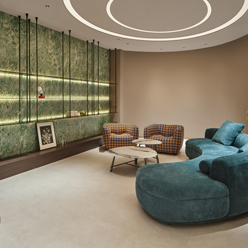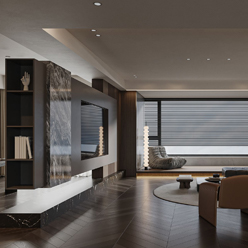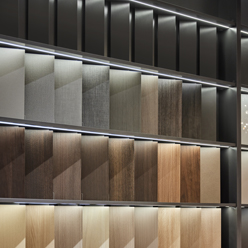
In 2025, custom furniture continues to dominate the home decor market, valued for its ability to maximize space utilization and reflect personal style. However, navigating the complex world of custom furniture—from material selection to hardware choices—can be overwhelming for many homeowners. It’s easy to overspend on unnecessary features or compromise on quality due to lack of information. That’s where Landbond Corten steps in. This comprehensive guide breaks down the critical factors to consider when buying custom furniture, focusing on panels and hardware, to help you make informed decisions and get the best value for your money.
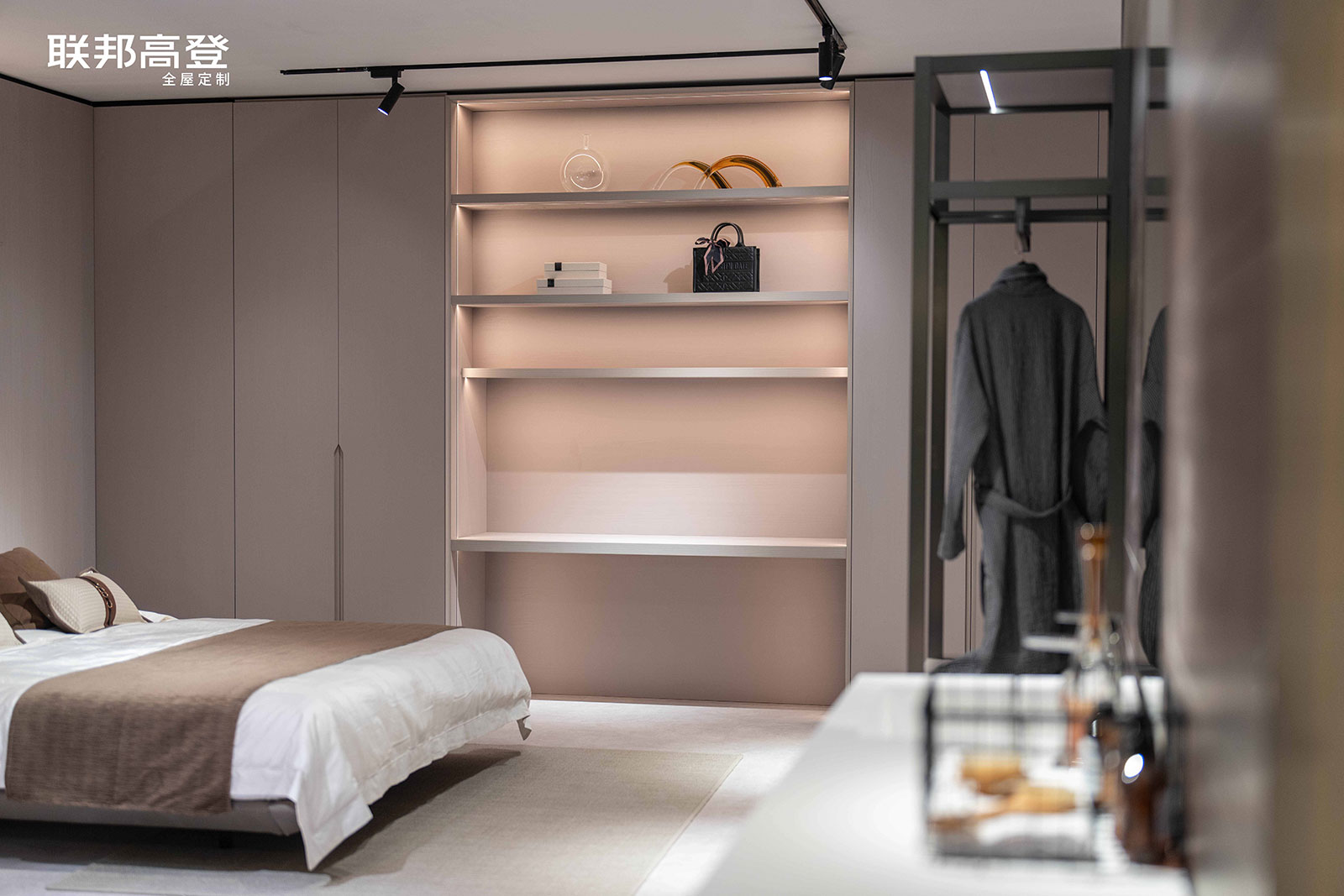
Understanding Custom Furniture Panels: The Foundation of Quality
The choice of panel material is fundamental to the durability, environmental friendliness, and appearance of custom furniture. With numerous options available in 2025, selecting the right panel requires balancing budget, usage scenario, and personal needs.
Common Panel Types and Their Pros & Cons
Particleboard: A budget-friendly option widely used for cabinet bodies and dry-area doors. It offers good stability in dry environments and affordable pricing, making it ideal for cost-conscious consumers. However, it’s prone to swelling when exposed to moisture, so it’s not suitable for kitchens or bathrooms . When choosing particleboard, prioritize products with ENF Class and E0 Class environmental certifications to ensure low formaldehyde emissions.
OSB (Oriented Strand Board): Gaining popularity for its eco-friendliness and structural stability. OSB has low formaldehyde release, excellent flatness, and strong nail-holding capacity, making it suitable for sliding doors and TV background wall substrates . Its main drawback is average moisture resistance, so it requires proper protection in humid spaces. Be cautious of low-quality counterfeits on the market—verify brand authorization before purchasing.
Plywood (Multi-layer Board): Known for its strong load-bearing capacity and structural stability, plywood is a top choice for cabinet bodies, especially for low-height kitchen and bathroom cabinets . Its robust construction ensures durability for frequently used furniture, but its environmental performance depends on production processes. Always check formaldehyde test reports to avoid substandard products.
Solid Wood Panel: A high-end option offering natural aesthetics and long service life. Solid wood’s unique grain and texture add a luxurious touch to any space, and it’s environmentally friendly as it uses minimal adhesives . However, it comes with a higher price tag and is susceptible to warping in humid conditions, requiring regular maintenance.
Eco-board: Preferred for cabinet bodies due to its excellent environmental performance and ease of processing . It can be cut on-site, adapting to various customization needs, but it’s prone to deformation, making it less suitable for door panels.
Key Panel Selection Tips for 2025
Match panels to usage scenarios: Opt for moisture-resistant materials like stainless steel-faced panels for kitchens and bathrooms, while particleboard or OSB works well for bedrooms and living rooms .
Prioritize environmental certifications: Look for ENF Class and E0 Class certifications to ensure indoor air quality.
Check craftsmanship: Inspect edge banding—laser edge banding is superior to PUR and EVA banding for its seamless finish and moisture resistance . Avoid panels with uneven edges or visible glue marks.
Consider thickness: Door panels should be at least 18mm thick for stability, while cabinet bodies can use 16mm or 18mm panels based on load requirements .
Hardware Selection: Small Components, Big Impact on Longevity
Hardware may seem insignificant, but it directly determines the functionality, durability, and user experience of custom furniture. In 2025, quality hardware remains a non-negotiable factor for long-lasting furniture, and investing in the right pieces can save you from frequent replacements.
Essential Custom Furniture Hardware Types
Hinges: The most frequently used hardware, connecting cabinet doors to frames. Available in straight, middle, and large bend types to accommodate full-overlay, half-overlay, and inset doors . High-quality hinges ensure smooth, quiet operation and prevent door sagging.
Drawer Slides: Determine the smoothness and load-bearing capacity of drawers. Common types include side-mounted slides, under-mount slides. Under-mount slides are preferred for their hidden design and better weight distribution.
Handles/Knobs: Affect both aesthetics and usability. Choose between exposed and hidden handles based on style preferences—hidden handles create a sleek, modern look, while exposed ones offer easier grip .
Connectors: Such as three-in-one screws and shelf supports, used to secure panels. Reliable connectors ensure structural stability and prevent loosening over time .
Support Components: Including gas struts and flap door supports, essential for upper cabinets and tatami furniture . They provide smooth lifting and lowering functionality, reducing wear.
Landbond Corten's Pro Tips to Avoid Wasting Money on Custom Furniture
Beyond panels and hardware, several key factors can help you stay within budget while getting quality custom furniture in 2025.
Pre-Purchase Preparation
Verify brand credentials: Choose brands with formal factories, business licenses, and panel authorization certificates . Check online reviews (avoid fake ones) and visit physical showrooms to inspect sample quality.
Communicate with designers: Work with professionals who ask about your lifestyle and storage needs, not just use templates . Request 3D renderings to confirm size and color compatibility with your space.
Design and Pricing Pitfalls to Avoid
Prioritize functional design: Customize storage based on usage—wardrobes need a long-clothes section (≥130cm) and underwear drawers (15-20cm high) . Kitchen countertops should be height-adjusted (height = height/2 + 5cm) to ensure comfort .
Clarify pricing models: Understand whether you’re paying by projected area (confirm inclusion of hardware and shelves) or expanded area (ask for detailed lists to avoid double-counting) . Confirm costs for add-ons like straighteners, light strips, and glass doors upfront.
Read contracts carefully: Include panel brand, model, thickness, environmental grade, delivery time, and after-sales response time (e.g., 24-hour support) in the contract . Attach formaldehyde test reports and retain 10-15% final payment until satisfactory acceptance.
Installation and Acceptance Checklist
Inspect materials upon delivery: Check for panel damage, color discrepancies, and complete hardware packages .
Ensure proper installation: Cabinets should be level, with door gaps ≤2mm and no height differences . Drawers should slide smoothly without sticking, even when loaded.
Test environmental safety: Ventilate the space after installation. Persistent strong odors for over a week may indicate formaldehyde exceed the standard —request professional testing .
Conclusion
Custom furniture is an investment in your home’s comfort and aesthetics, and making the right choices in 2025 doesn’t have to mean overspending. By understanding panel materials, prioritizing quality hardware, and following Landbond Corten's expert advice, you can avoid common pitfalls and create furniture that meets your needs, budget, and style. Remember, the best custom furniture balances quality, functionality, and value—focus on key components like panels and hardware, and don’t hesitate to ask brands for certifications and guarantees. With this guide, you’re well-equipped to embark on your custom furniture journey and make every penny count.
Would you like me to create a printable 2025 custom furniture checklist that summarizes key selection points for panels, hardware, and contract terms? It will help you stay organized during shopping and installation.