I spent 100000 yuan to buy a customized wardrobe, but the actual situation is completely different from the design drawings. The contract says' all inclusive ', but there were five additional fees during the installation process. Browse home decoration forums and you will find countless terrifying stories about customized furniture. From poor quality materials and incorrect dimensions to ineffective designer communication and slow response to after-sales service, every issue makes homeowners feel exhausted and frustrated.
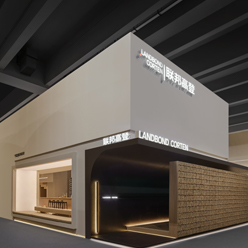
As a brand with years of experience in the custom furniture industry, Landbond Corten furniture has always focused on "transparent service, standardized craftsmanship, and personalized design". Today, we will share 5 practical tips based on actual service cases to help you avoid common pitfalls such as product mismatch and hidden costs, ensuring that your customized furniture truly suits your ideal lifestyle.

Tip 1: Clarify Material Details in Writing, No Ambiguity Allowed
"They promised E0-grade eco-friendly boards, but there was a pungent smell when installing" – this is the most common material dispute in custom furniture. Many homeowners only pay attention to board grades but ignore details like surface finishing and edge banding materials, giving merchants room to cut corners.
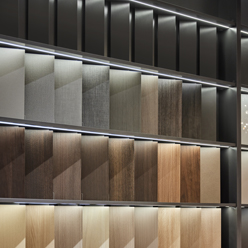
Landbond Corten Furniture's Solution: Before signing the contract, ask the designer for a "material detail list" that clearly states the board brand, grade (e.g., E0, ENF), surface type (PET, solid wood veneer, etc.), edge banding material (ABS edge banding is better than PVC), and hardware brand (e.g., Blum, Hettich). Include all these details in the official contract and attach a copy of the material test report for future verification.
For a Beijing homeowner who ordered a custom wardrobe, we proactively provided board samples so they could feel the texture in advance. After installation, we even invited a third-party testing agency to visit, and the results fully matched the contract specifications.
Tip 2: 3D Confirmation for Design Drawings, Avoid "2D Traps"
"The shoe cabinet that looked spacious on the design drawing can barely fit two pairs of high heels" – this issue, caused by 2D drawings failing to reflect spatial depth, is essentially a communication gap. 2D plans can’t show the actual size, internal structure, or spatial adaptability of furniture, easily leading to visual misunderstandings.
Landbond Corten Furniture's Solution: Adopt a three-step confirmation model: "2D layout + 3D modeling + VR visualization". First, the designer creates a 2D layout based on your room size to confirm furniture dimensions and placement. Then, 3D modeling restores the furniture’s three-dimensional structure, including shelf heights and drawer sizes. Finally, VR technology lets you "walk into" the virtual space to experience the finished effect.
Tip 3: Transparent Pricing, Lock in Additional Costs
Hidden costs are the biggest headache in custom furniture: extra charges for exceeding agreed sizes, additional fees for more drawers, premium hardware upgrades, and unexpected drilling fees during installation. These costs are often vaguely mentioned in contracts and only appear at settlement.
Landbond Corten Furniture's Solution: Sign an "all-inclusive price contract" clearly stating "no extra fees except the following situations" and listing possible additional items with specific rates (e.g., costs from design changes requested by the homeowner). The budget sheet details every expense – design fees, board costs, hardware fees, installation fees – avoiding vague terms like "settlement based on actual usage".
Tip 4: Set Clear Acceptance Standards, No Compromises on Details
Many homeowners think "as long as the furniture is usable after installation, it's fine," ignoring the acceptance process. This leads to merchants refusing to address issues later, citing "already accepted". Problems like mismatched products, size deviations, and shoddy craftsmanship must be raised during acceptance.
Landbond Corten Furniture's Solution: Agree on an "acceptance standard list" in advance, including: 1. No damage, scratches, or color differences on the surface; 2. Size deviation within ±2mm; 3. Tight edge banding without cracks or glue overflow; 4. Smooth hardware operation without noise; 5. Board environmental protection meets contract standards.
After installation, you can check each item against the list and sign only when satisfied.
Tip 5: Put After-Sales Commitments in Writing, Clarify Responsibilities
The service life of customized furniture usually exceeds 10 years, so after-sales support is crucial. Many small brands only provide short-term warranty or completely evade after-sales responsibility, leaving homeowners helpless in case of future problems.
Landbond Corten Furniture's Solution: Clear after-sales terms in the contract: warranty period (such as board warranty period, hardware warranty period), free repair scope (such as non-human cracks or deformations), repair response time (such as how many hours to contact and how many hours to provide on-site service), and return and exchange conditions. Choose brands with physical stores or fixed after-sales teams to avoid one-time transactions.
The core of custom furniture is "people-oriented" – every detail affects your future quality of life. The key to avoiding pitfalls is "not chasing cheap prices, not taking chances, and leaving no ambiguous space". Landbond Corten Furniture firmly believes that transparent services and high-quality craftsmanship are the cornerstones of a trusted brand.
If you are planning to customize furniture, please click on the following link to get Landbond Corten furniture's exclusive "Custom Furniture Trap Avoidance Pack", book in store consultation now, enjoy personalized design services, and make your customization journey smooth and worry free.